Built in Nashville because the edit was stealing the day
Dubhalo is the tool Imani Carter wanted in 2021 and couldn't find. So she built it.
The edit was always the bottleneck
By 2021, Imani Carter had been producing independent podcast content for four years — guest bookings, recording sessions, show notes, distribution. All of it was fine. The edit was the problem. A strong two-hour conversation would turn into a full evening at a DAW: manually scrubbing dead air, logging chapter timestamps at 2x playback, writing show notes from memory because there was no transcript yet. The recording was the creative work. The edit was overhead.
She started building an automated first-pass tool for herself in early 2022, tested it on her own recordings for a few months, and shared it with a couple of producer friends. The response was consistent enough that she formalized it as Dubhalo that fall. The company has stayed bootstrapped and deliberately small — three people, one product, and no external pressure to build features that don't solve a real edit problem.
We're not trying to replace a full production workflow. Dubhalo handles the cleanup pass so you get to the decisions that matter — pacing, structure, tone — without spending the first two hours on dead air removal.
The team
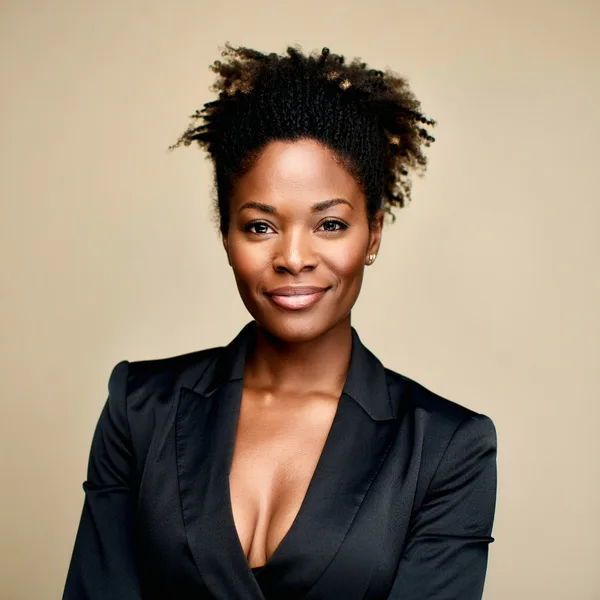
Imani Carter
CEO & Co-Founder
Four years as an independent podcast producer before writing the first line of Dubhalo. Built the original version during evenings on Demonbreun Street because the edit was eating the whole day.

Remy Osei
Head of Engineering
Backend infrastructure and API design. Responsible for the processing pipeline staying stable when upload volume spikes on Monday evenings and Sunday nights — peak upload windows for weekly podcasters.
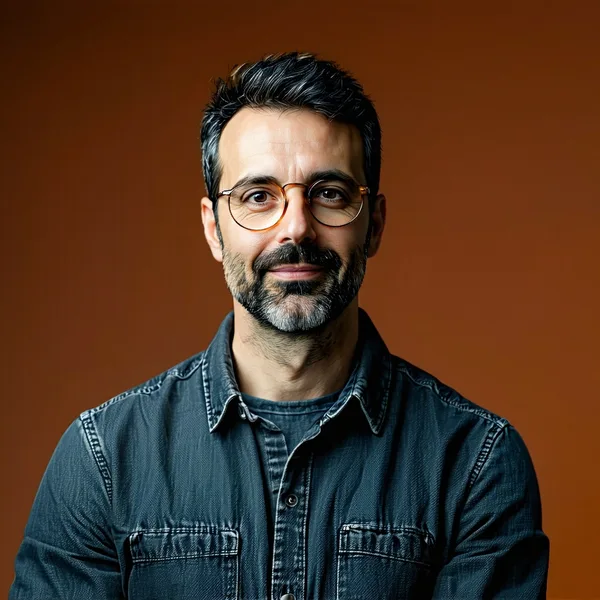
Zara Okonkwo
Head of Audio AI
Audio signal processing and model training. Her work on the silence detection threshold logic is why the model trims dead air without clipping the natural pauses that give a conversation its rhythm.
Nashville, TN — Not a coincidence
Music Row is four blocks from our office on Demonbreun Street. The city has spent decades building audio infrastructure — mastering rooms, remote recording setups, post-production houses. Working here means our neighbors are recording engineers and studio operators who think about clean audio as a professional standard, not a nice-to-have.
That proximity matters. It's the difference between building for hypothetical podcasters and building for people who have an edit due at 5pm today.
Nashville, TN 37203
How we build
Automate the tedium, not the judgment
Silence removal, filler detection, chapter drafting — those are mechanical tasks with knowable correct answers. What to cut from a conversation, what the episode means, how it should sound — that's still yours. Dubhalo handles the former so you can spend time on the latter.
Features start with a real edit problem
Speaker diarization came from a producer handling 4-guest panels who was manually attributing every line in the transcript. Per-client filler-word lists came from a producer whose client says "basically" every 40 seconds. If a feature doesn't solve something specific, we don't build it.
Bootstrapped on purpose
No outside capital means no pressure to build for a demo day or hit an MRR target by a deadline. We added the API when producers asked for it, not when a deck said we should. The pricing has stayed stable since 2023 because we don't have a burn rate to justify raising it.